Volumes of expired, off-spec, or unsold products from large-scale retail (GDO), the food industry, and logistics are growing, while quality requirements for organic material destined for compost and renewable energy production are simultaneously increasing.
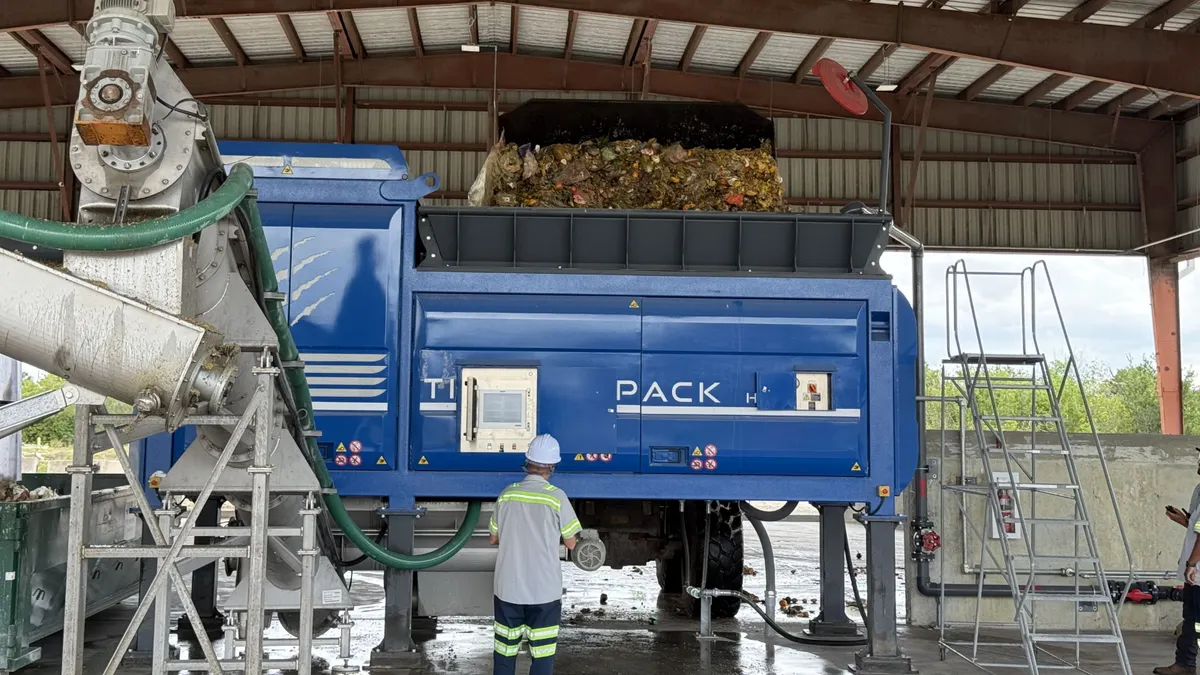
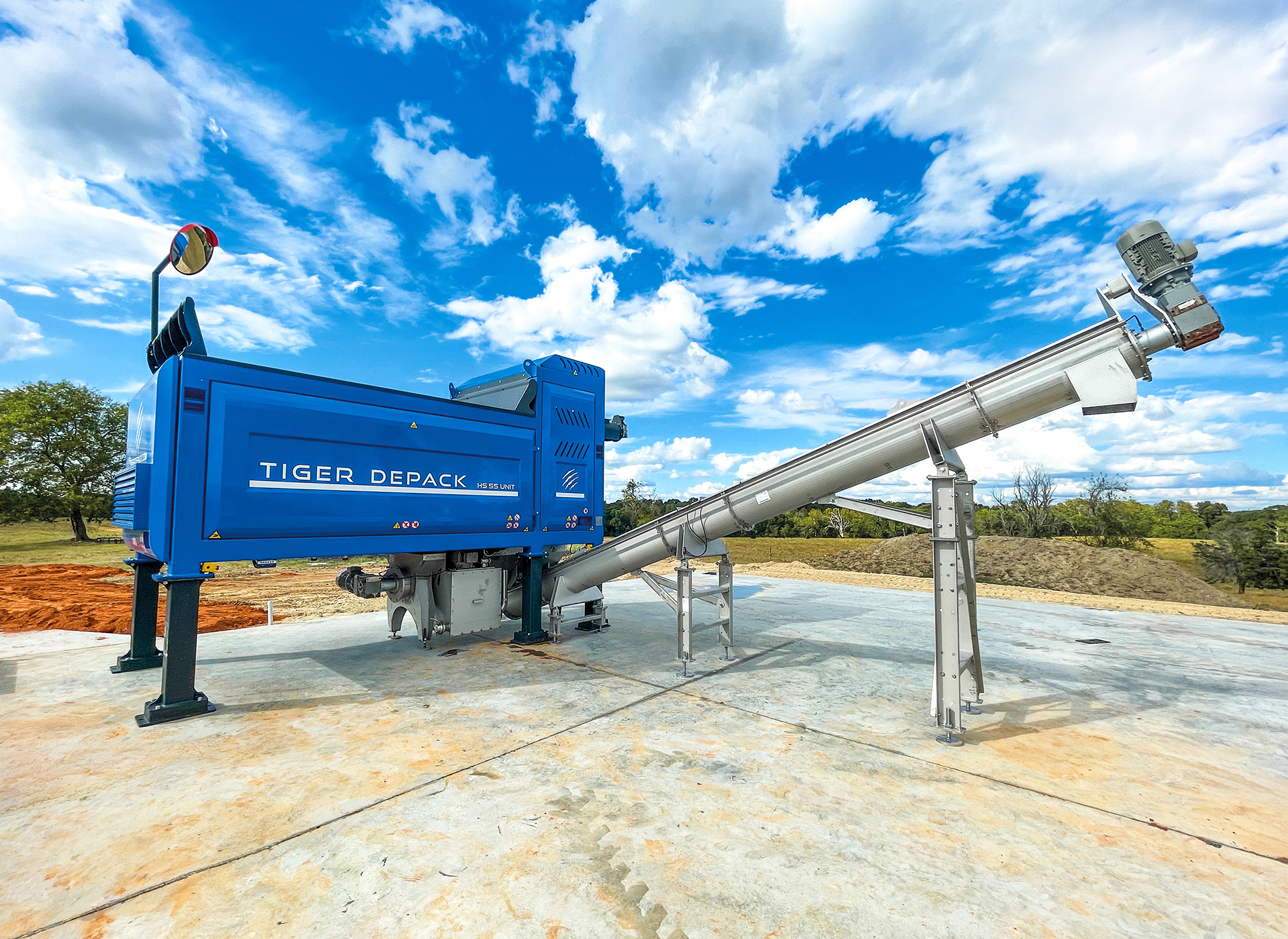
In this scenario, the Tiger Depack technology developed by Cesaro Mac Import comes into play: a system designed to recover and separate the organic fraction from plastic, metal, and cardboard packaging, turning an operational challenge into a concrete economic and environmental opportunity.
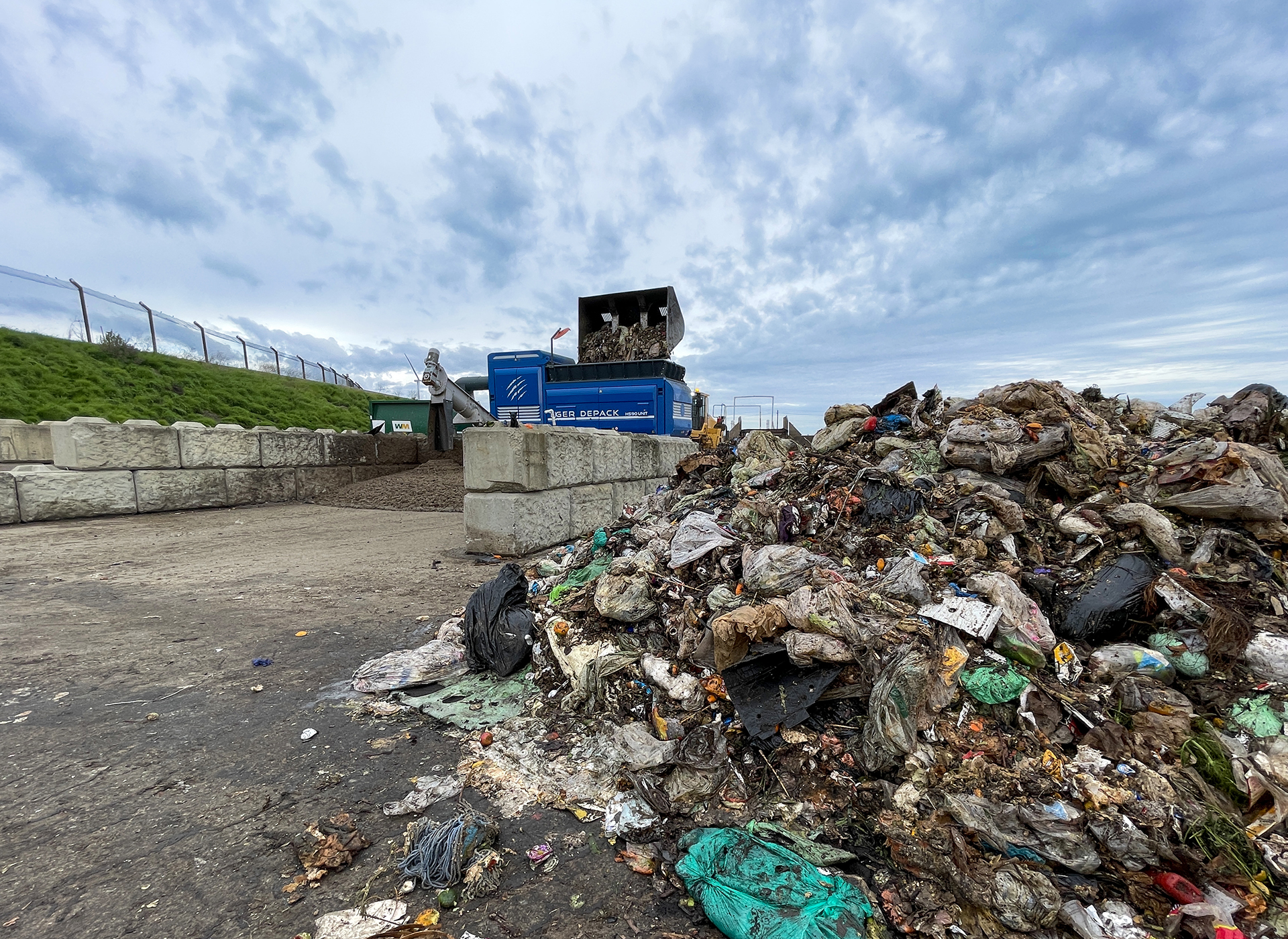
According to several international companies already using Tiger Depack technology, the increase in packaged organic waste is now a structural market trend. The need to process increasingly heterogeneous waste streams is putting pressure on traditional plants, which are often forced to choose between rejecting the material, dealing with inefficient manual sorting, or investing in high-performance mechanical systems.
Quality of the Organic Fraction and Contamination Reduction
One of the most critical aspects of managing packaged organic waste is contamination. Even small percentages of plastic or aluminum can compromise the quality of the final compost or reduce the efficiency of anaerobic digesters, resulting in significant economic consequences for operators.
Tiger Depack was created specifically to address this issue. The system produces an organic fraction with contamination levels below 0.5% and achieves recovery rates exceeding 99% of the organic component. This result allows plants to improve the quality of the processed material and recover value from it more effectively within composting or biogas processes.
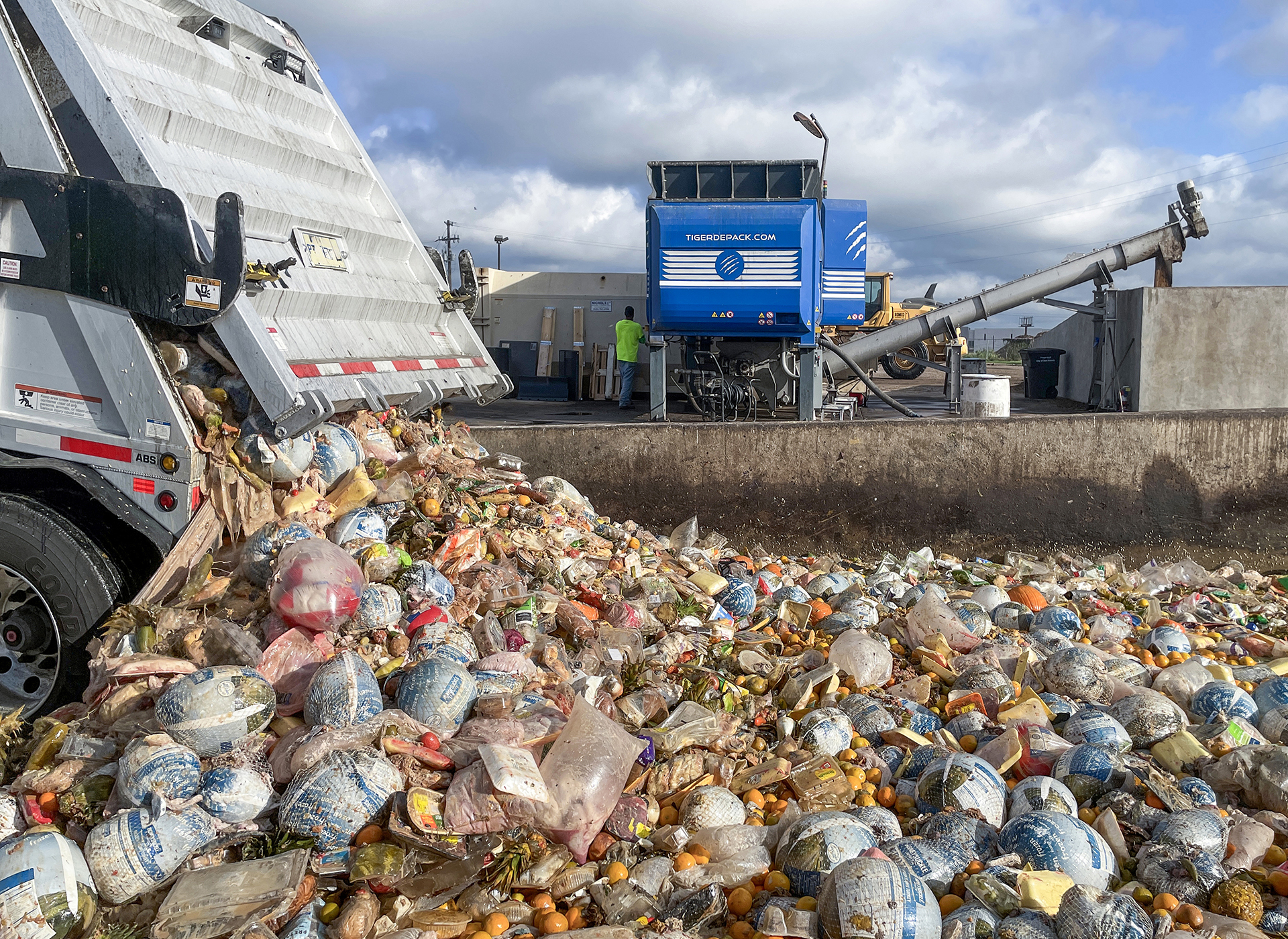
The machine is designed to process various feedstocks: from packaged food waste and expired supermarket products to industrial by-products and source-separated municipal organic waste. Furthermore, the output packaging is clean and dry, facilitating its subsequent recycling or disposal.
International Experiences: A Circular Economy Model from the USA
Among the most interesting international case studies is Marin Sanitary Service, a historic Californian waste management company operating since 1948. By introducing Tiger Depack into its “Food-to-Energy” program, the company increased the recovery of the organic fraction destined for renewable energy production.
Collaborating with the CMSA wastewater treatment plant enabled the creation of an integrated system capable of converting food waste into clean energy, allowing the facility to achieve energy self-sufficiency. Excess energy produced is even fed back into the local power grid.
According to Marin Sanitary, the choice of Tiger Depack was driven by five key factors: loading method, processing speed, ease of maintenance, quality of the output material, and the requirement of just a single operator to run the system.
Another significant testimonial comes from St. Louis Composting, one of the leading composting companies in the United States, which processes over 300 tons of organic waste per week. The company has been using Tiger Depack since 2020 to separate packaged materials such as cans, Tetra Pak cartons, snacks, dairy products, and packaged foods.
Introducing this technology has allowed the company to significantly expand the waste streams it processes and to partner with major corporations aiming to achieve “zero waste” goals.
A Strategic Technology for the Future of Organic Recycling
With tightening regulations on the recovery of the organic fraction of municipal solid waste (OFMSW) and growing focus on the circular economy and renewable energy, depackaging technologies are taking on an increasingly central role within treatment plants.
Tiger Depack fits into this context as a solution capable of combining operational efficiency, recovery quality, and economic sustainability. Thanks to its compact design, ease of operation, and high separation capacity, the technology developed by Cesaro Mac Import represents a concrete tool for meeting the evolving demands of the organic recycling market.
As international operators already using this technology point out, the ability to effectively recover packaged organic waste is no longer just a competitive advantage, but a necessity set to become increasingly strategic for the entire sector.